
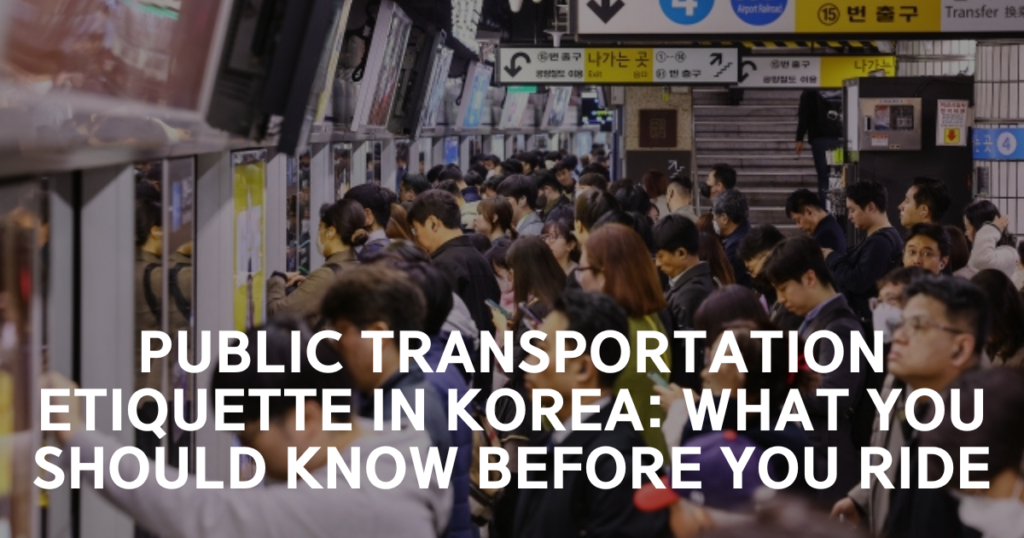
Korea’s public transportation runs on more than just schedules and routes. There’s an unspoken code that most locals follow without thinking — and as a visitor, knowing it will make your commute a lot smoother for everyone involved
1. Leave the Priority Seats Empty — Even When They’re Free
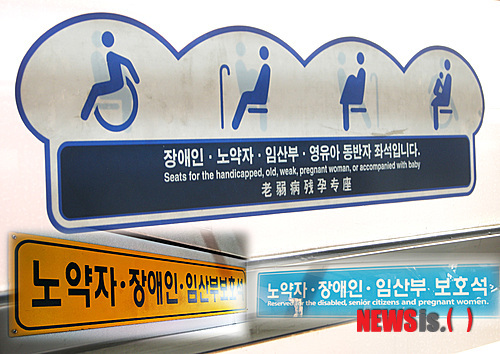
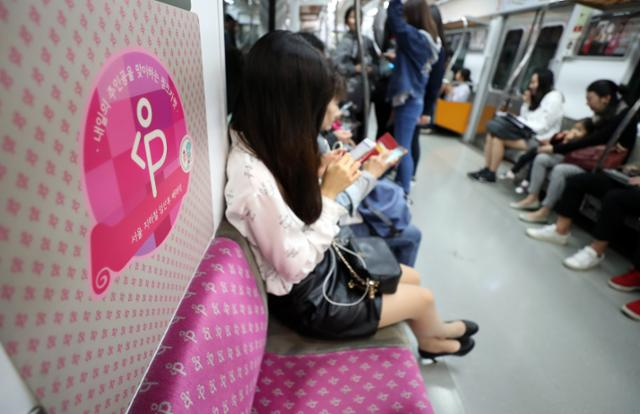
The yellow seats at the ends of each subway carriage are reserved for the elderly, disabled passengers, pregnant women, those traveling with infants, and anyone temporarily injured or unwell. Alongside these, you’ll notice pink-coded seats labeled “Pregnant Guest Seats.” These exist specifically for women in early pregnancy — before the bump shows — so they can sit without having to explain themselves or feel awkward asking. Even if the carriage is half-empty, it’s standard practice to leave both types of seats untouched
2. Carry Your Backpack in Front
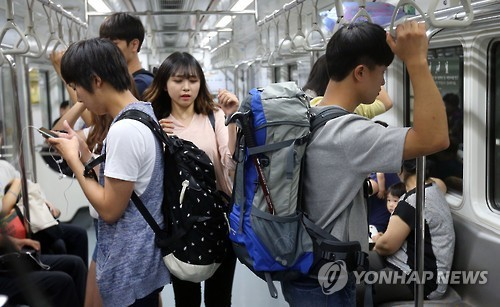
A large backpack on a crowded subway is more disruptive than most people realize. Koreans even have a word for it — “Backpack-jok” — used to describe people who swing their bags around without noticing the damage they’re doing. In a packed carriage, a bulky bag can catch on someone’s belongings, snag clothing, or simply make it impossible for people to stand comfortably. The fix is simple: hold it in front of you, set it between your feet, and avoid turning suddenly while wearing it
3. Drinks on the Subway — What’s Actually Allowed
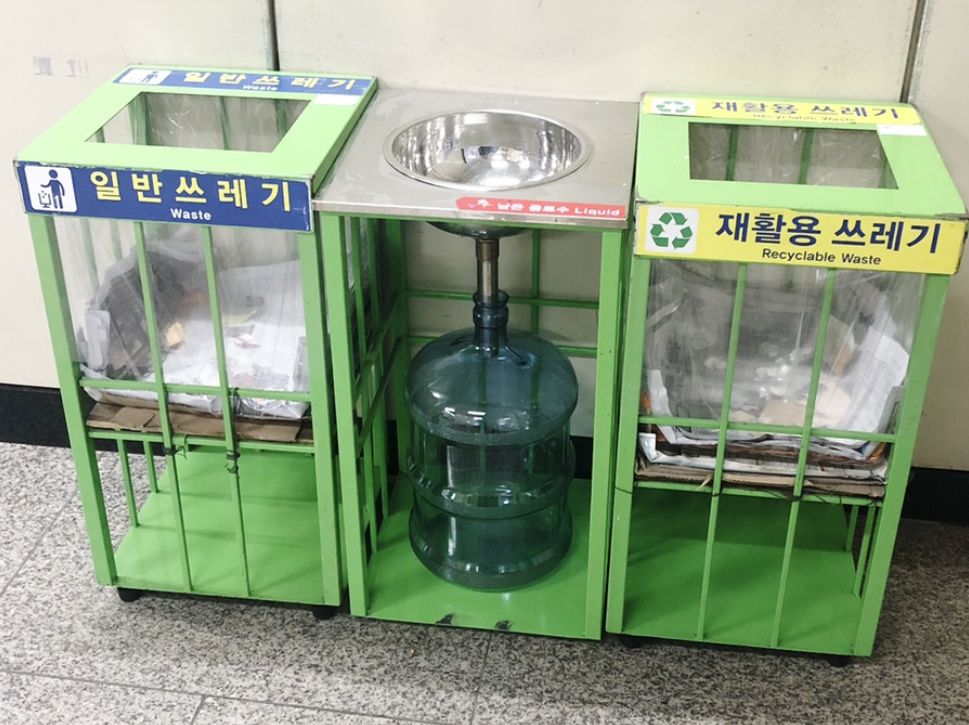
According to Seoul Metro’s passenger transport regulations, beverages including coffee are technically permitted on the subway — but only in containers with a lid that is fully closed. Takeout cups don’t qualify, since the lids aren’t sealed and spills are likely. If your drink is in a tumbler with a secure lid, you’re fine. That said, anything that could disturb other passengers through strong smells or odors is still prohibited regardless of the container
One more tip: most Seoul subway stations have a designated liquid disposal station near the trash bins — a small sink where you can pour out any remaining drinks before tossing the cup. Look for the green bins marked “Waste” and “Recyclable Waste” with the liquid drain in the middle. It takes five seconds and keeps the station clean for everyone
4. Let People Off Before You Get On
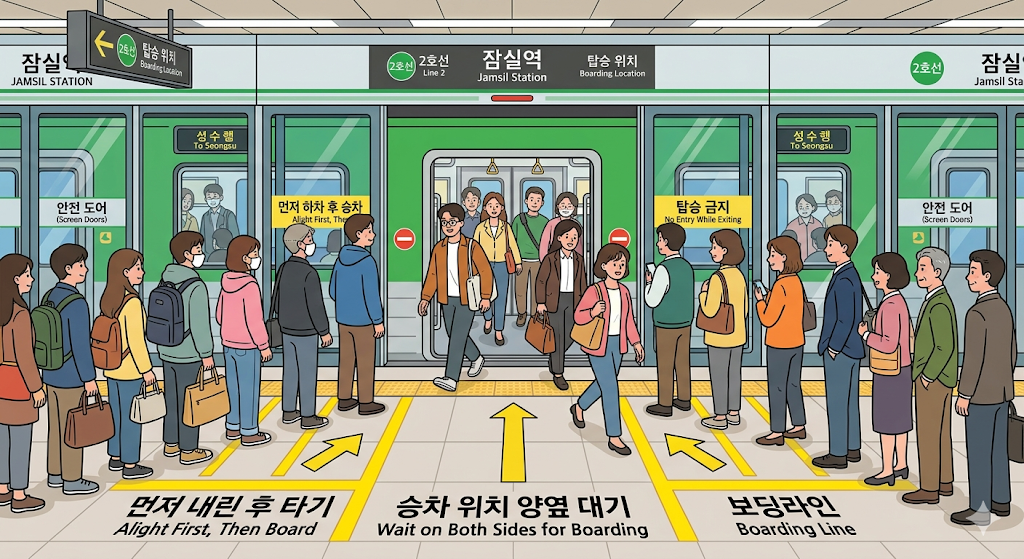
Subway doors serve as both entrance and exit, which means the system only works if people wait their turn. The rule is straightforward: step to the side when the doors open, give exiting passengers a clear path, and board only once the flow has stopped. It sounds obvious, but rushing the doors before people have finished getting off is one of the quickest ways to cause a bottleneck — and draw some pointed looks
5. Keep Phone Calls Short and Quiet
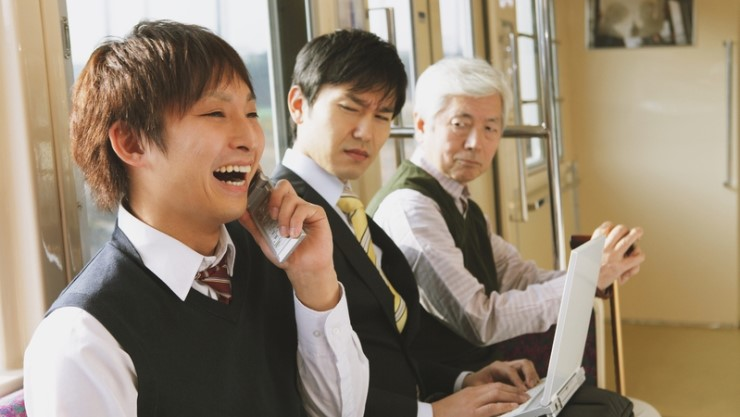
Rush-hour subways in Seoul can be packed wall-to-wall and yet nearly silent. That’s not an accident — it reflects a shared understanding that public transit is a space for rest, not conversation. Loud phone calls stand out immediately. If you need to take a call, keep your voice down and wrap it up quickly. The phrase you’ll hear locals use most often: “I’m on the subway, I’ll call you back” — followed by hanging up
6. Stand on the Right Side of the Escalator
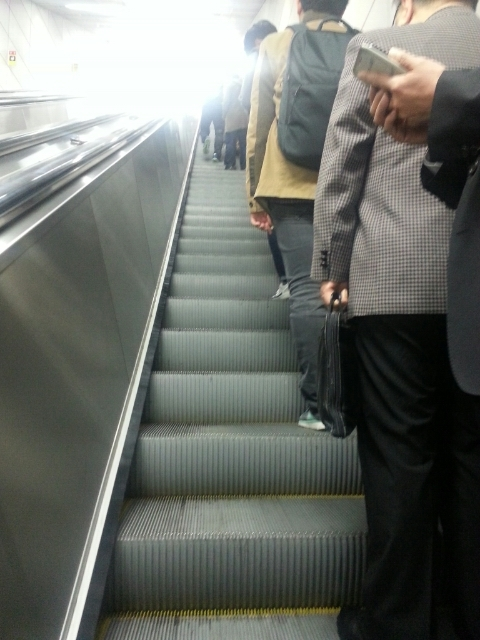
On escalators, the right side is for standing and the left is kept clear for people who want to walk. During busy hours, blocking the left side will earn you the silent but unmistakable pressure of a growing queue behind you. It’s a small thing, but it keeps the flow moving — a very natural expression of Korea’s well-known “ppalli-ppalli” (hurry-hurry) culture
7. Always Use Headphones
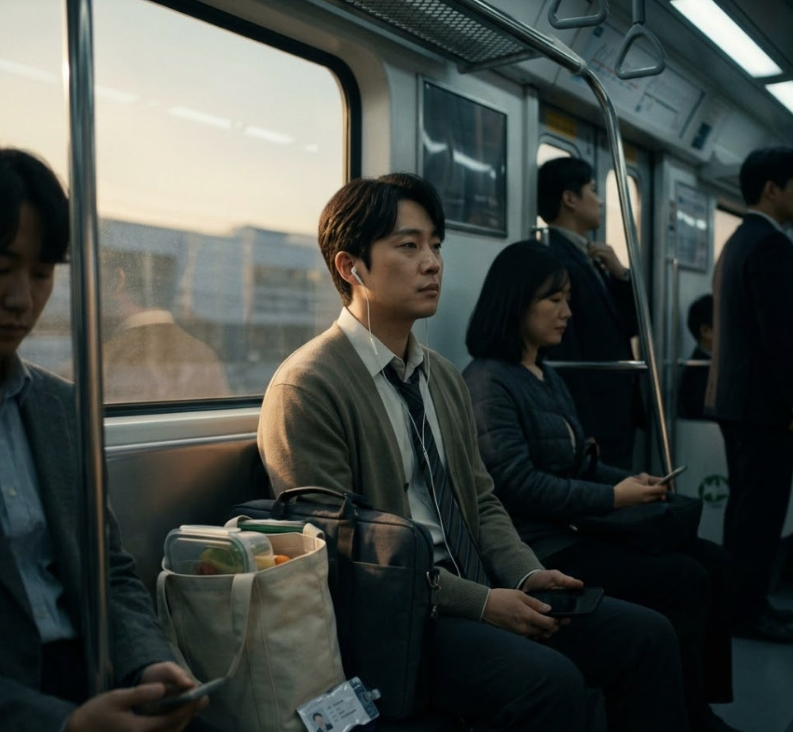
Watching videos or listening to music without headphones is one of the more reliable ways to irritate an entire carriage of people. Sound that feels normal to you can be genuinely intrusive to someone trying to rest or read. Earphones or headphones are standard — and expected
8. Mind How Much Space You’re Taking Up
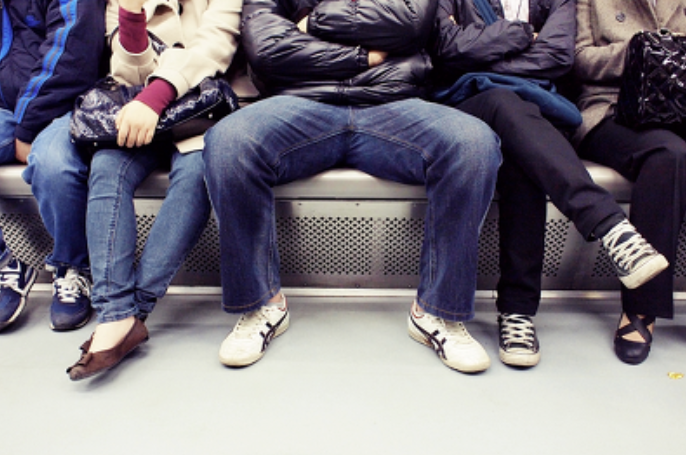
Sitting with your legs spread wide or crossed in a crowded carriage takes up more space than your seat allows and makes the people beside you uncomfortable. Crossed legs in particular can be a problem — your shoe can easily brush against the person next to you and mark their clothing. Sitting upright and keeping your legs together is a small thing that makes a real difference when the carriage is full